kakigori Artisanal ice dessert works
A kakigori specialty shop — from Nara, where the ice trade began. A healing bowl, all year round.
Soft, fleeting — falling, drifting, settling.
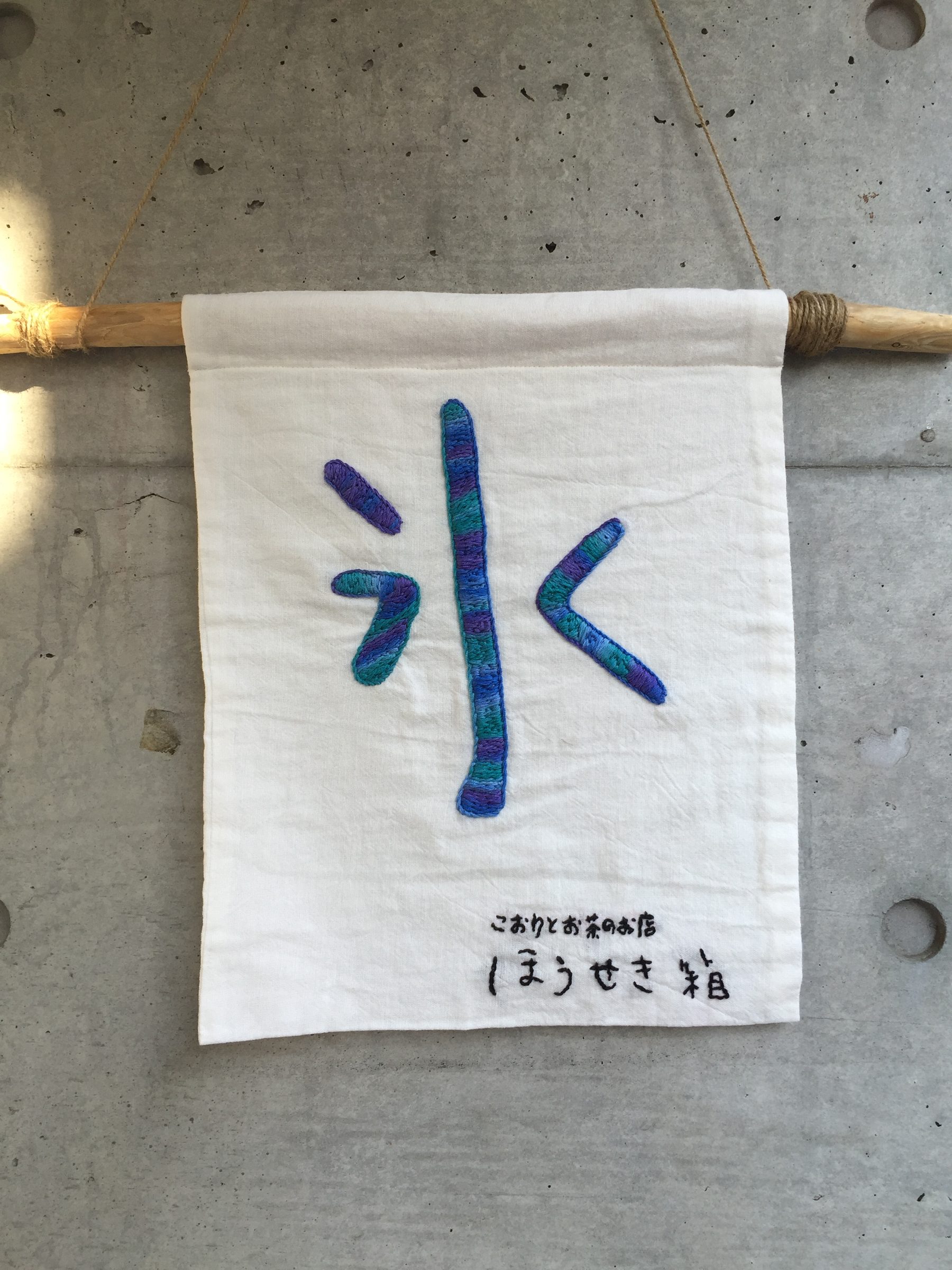 削り氷に あまづらいれて 新しきかなまりに入れたる
CONCEPT
Long ago, Nara kept its ice in himuro — ancient ice cellars — and Himuro Shrine, dedicated to the guardian deity of those cellars, still stands here today. Housekibaco was born in 2015 on Mochiidono shopping street, inspired by the 2014 kakigori festival "Himuro Shirayuki Matsuri," held on the shrine's grounds.
In the Nara dialect, houseki means "a little treat." We wanted to deliver everyday rewards with the thrill of opening a box of gems — and we hoped the smiles of people gathering here from around the world might sparkle like jewels themselves. That double meaning is why we named ourselves "housekibaco," a jewelry box.
Kakigori was once a summer-only pleasure in Japan. With seasonal ingredients, we shave out ice that is fleeting and beautiful, from Nara, to be savored in every season.
OUR CRAFT
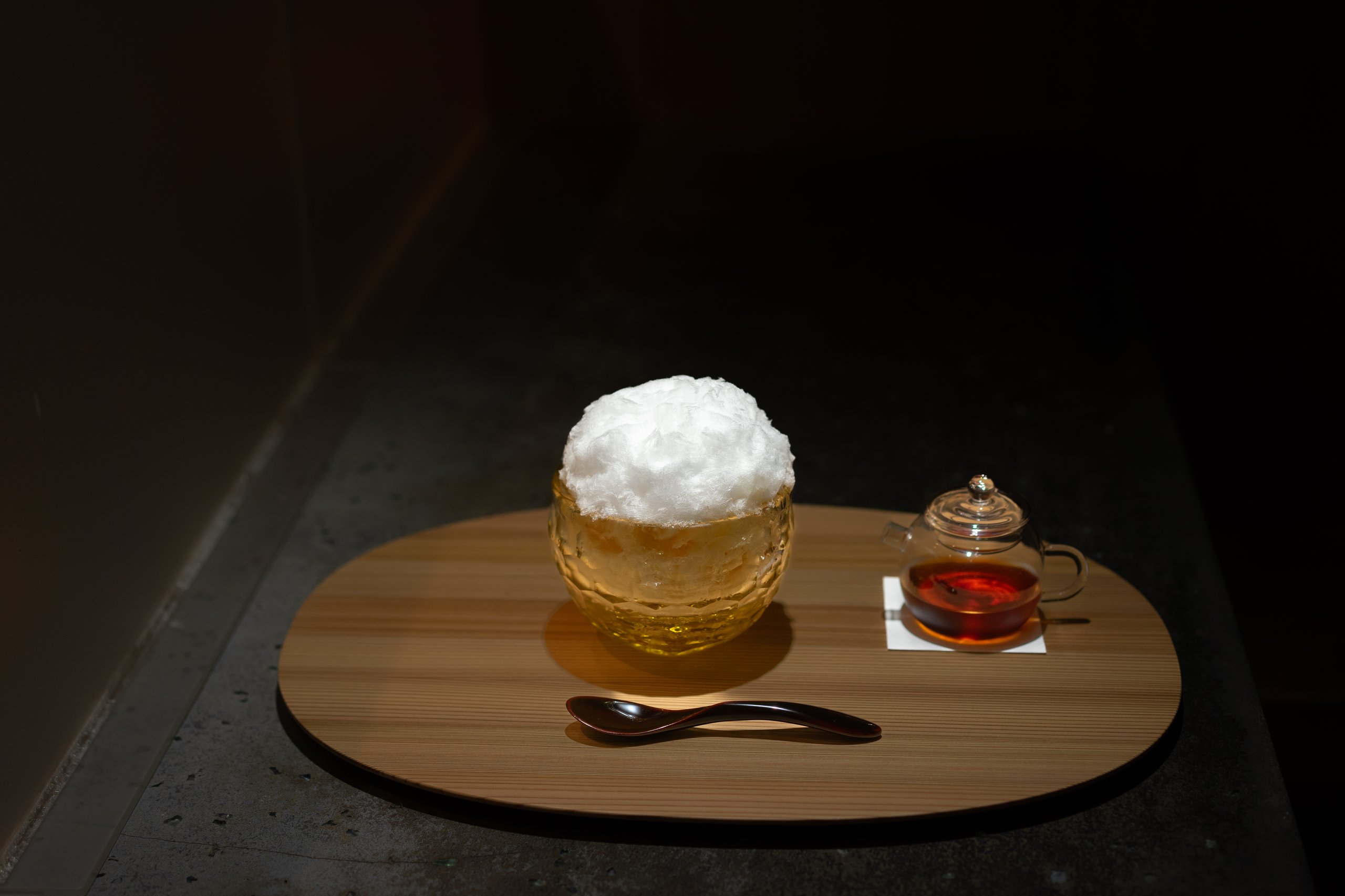
Frozen slowly over time, our ice is crystal clear and slow to melt — a pure white canvas that mirrors the flavor of each ingredient.
A single degree in the blade's angle changes the texture. The fluffy, melt-in-your-mouth ice is born of practiced hands.
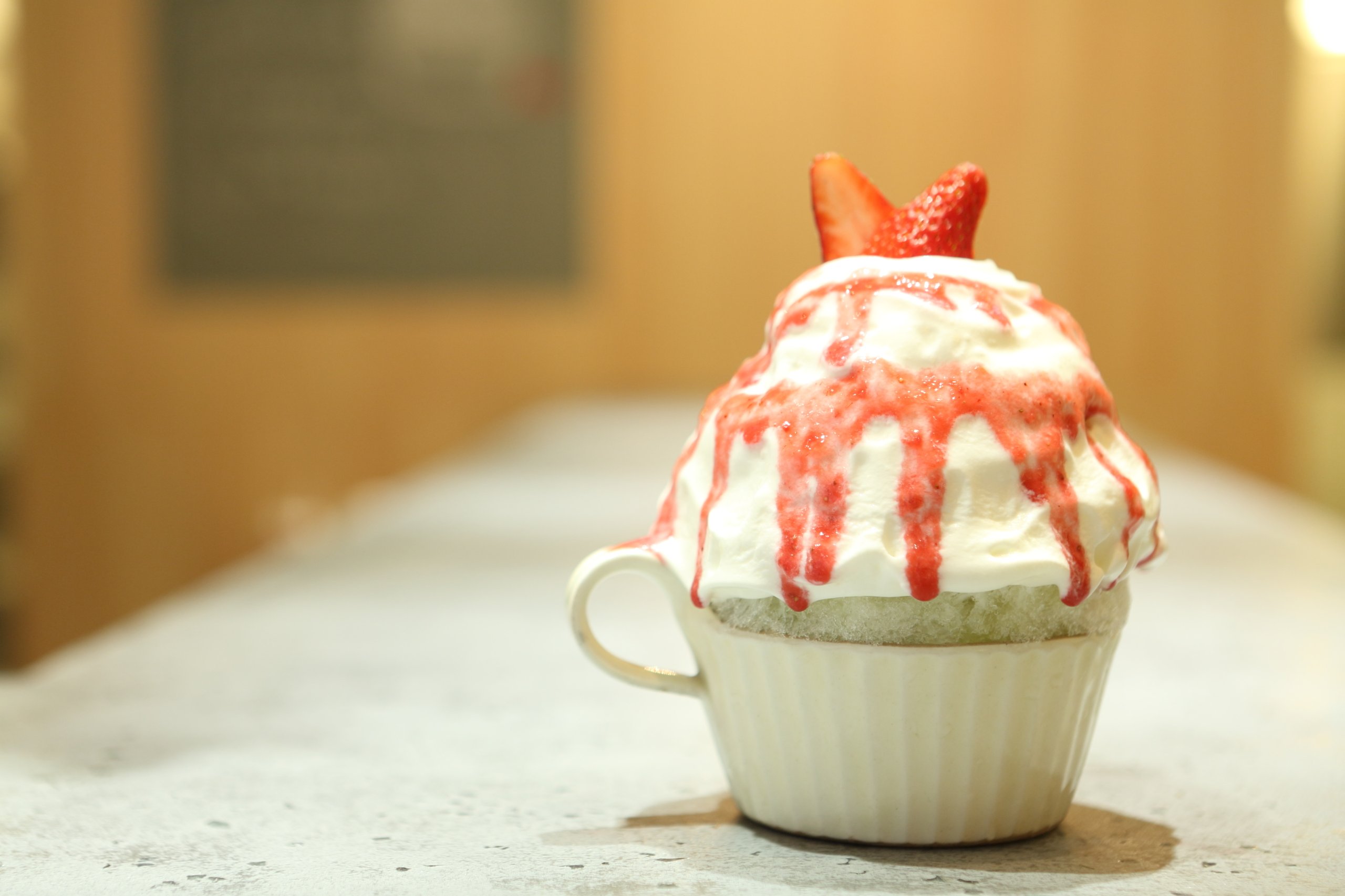
Milk from Uemura Dairy Farm, Nara strawberries and persimmons — local producers' ingredients become our espuma and house-made syrups.
ABOUT
KAKIGORI is a traditional Japanese ice dessert with a history of more than 1,000 years. We shave highly pure, slowly frozen ice called junpyo into feather-light flakes, and dress it with a variety of syrups, fruits, and our signature espuma. Just as sushi and tempura travel the world in their own names, we believe this culture deserves to be known by its own name — not "shaved ice," but kakigori.
#kakigori #housekibaco
KAKIGORI
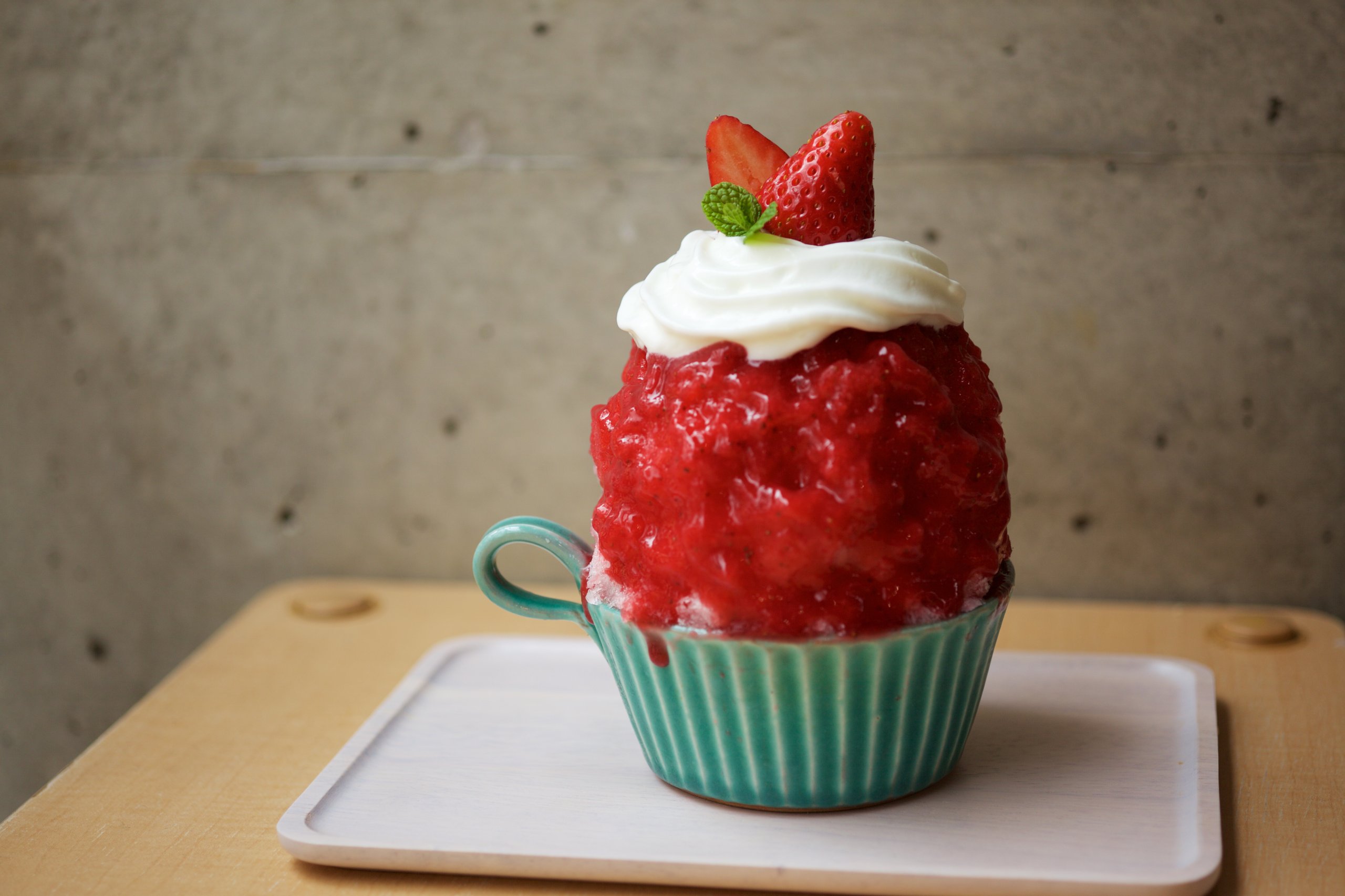
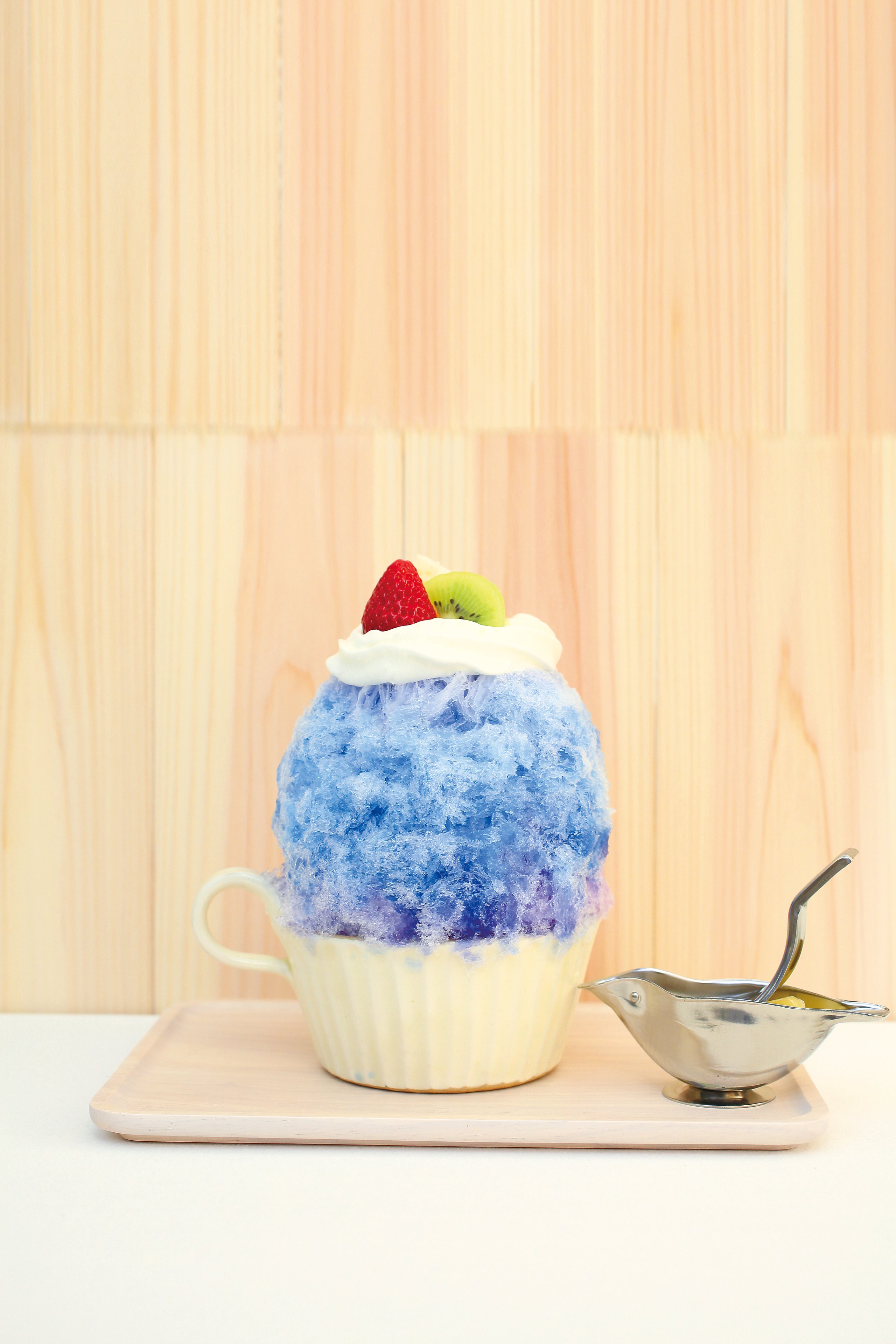
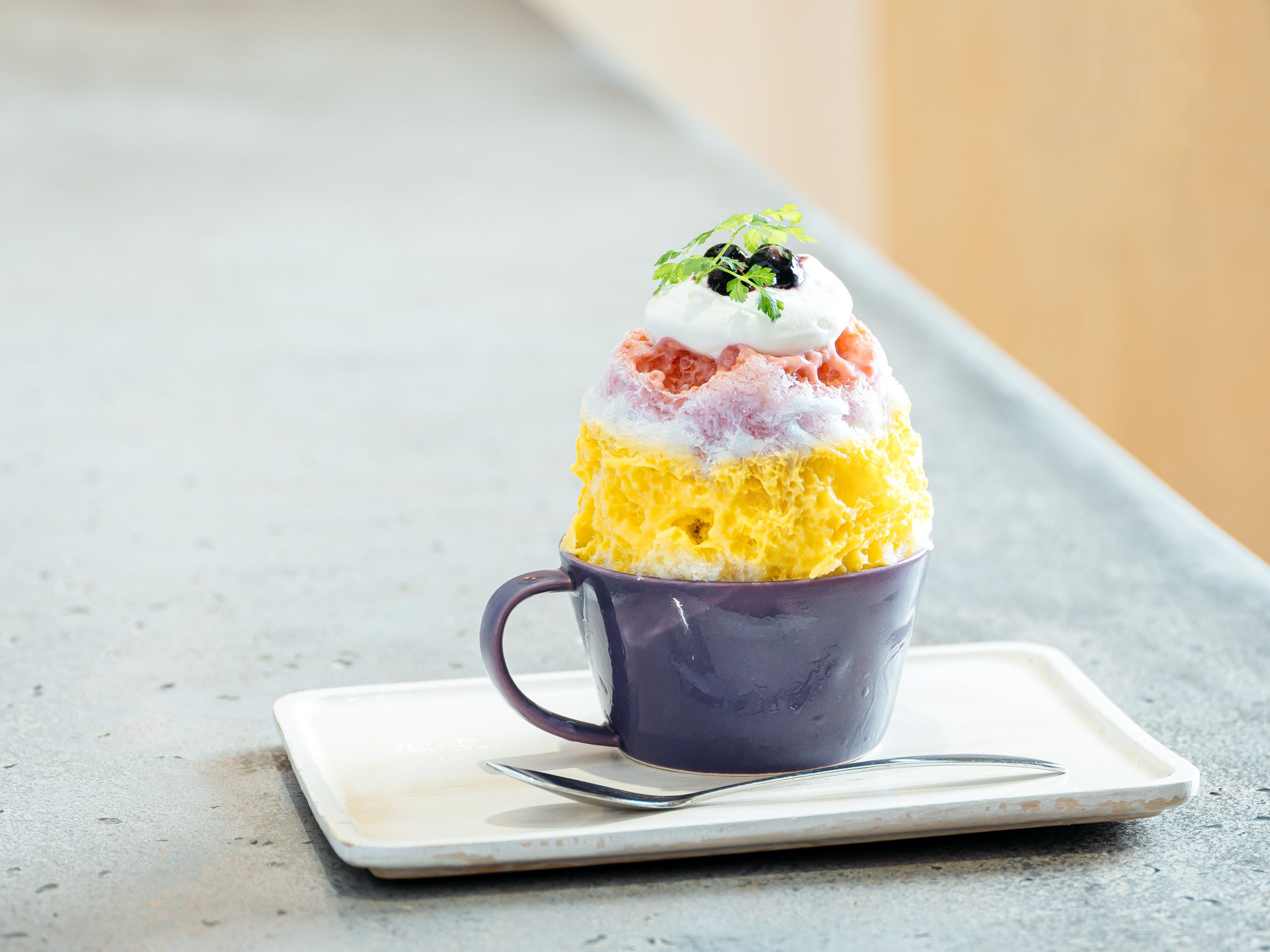
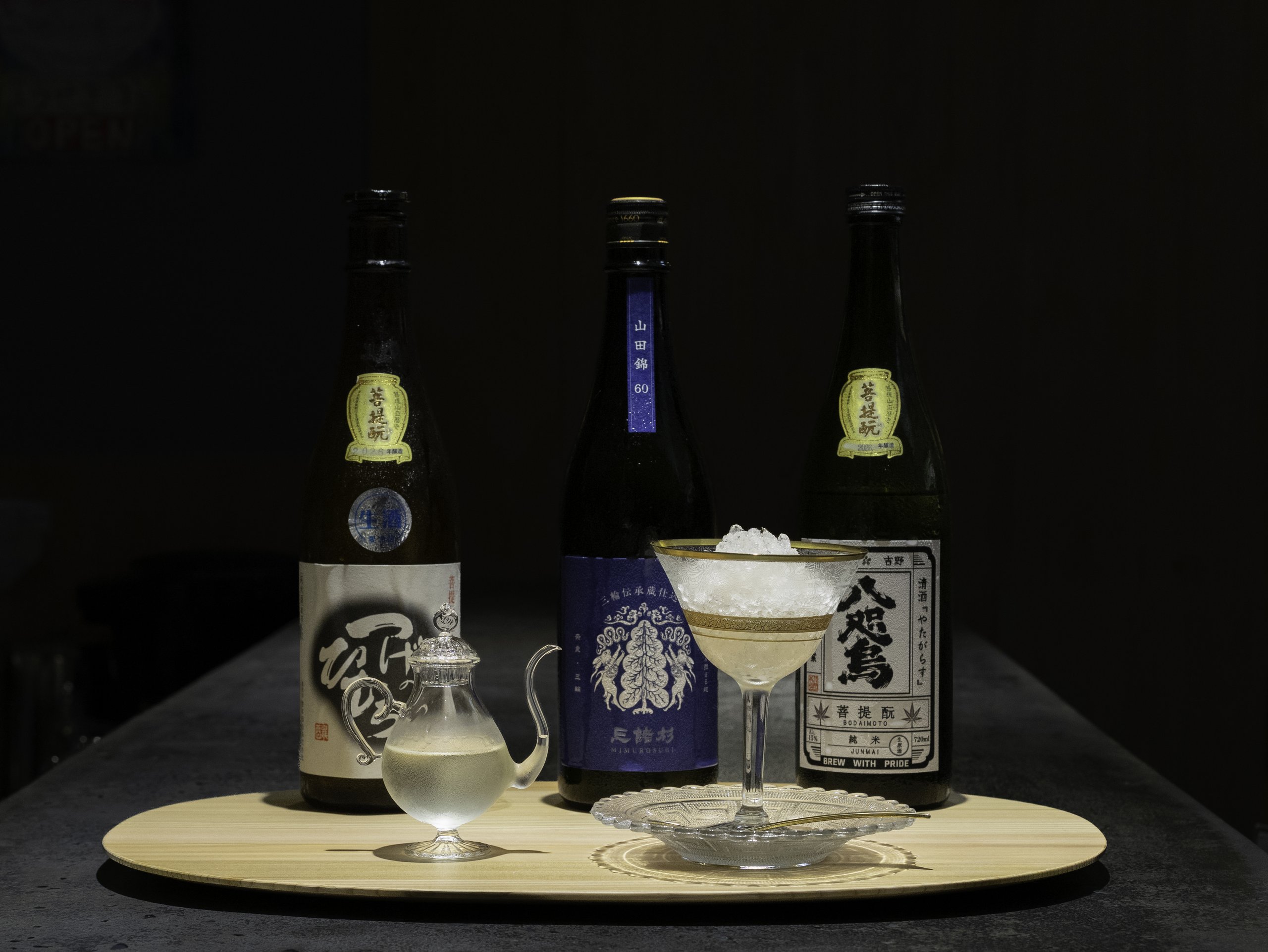
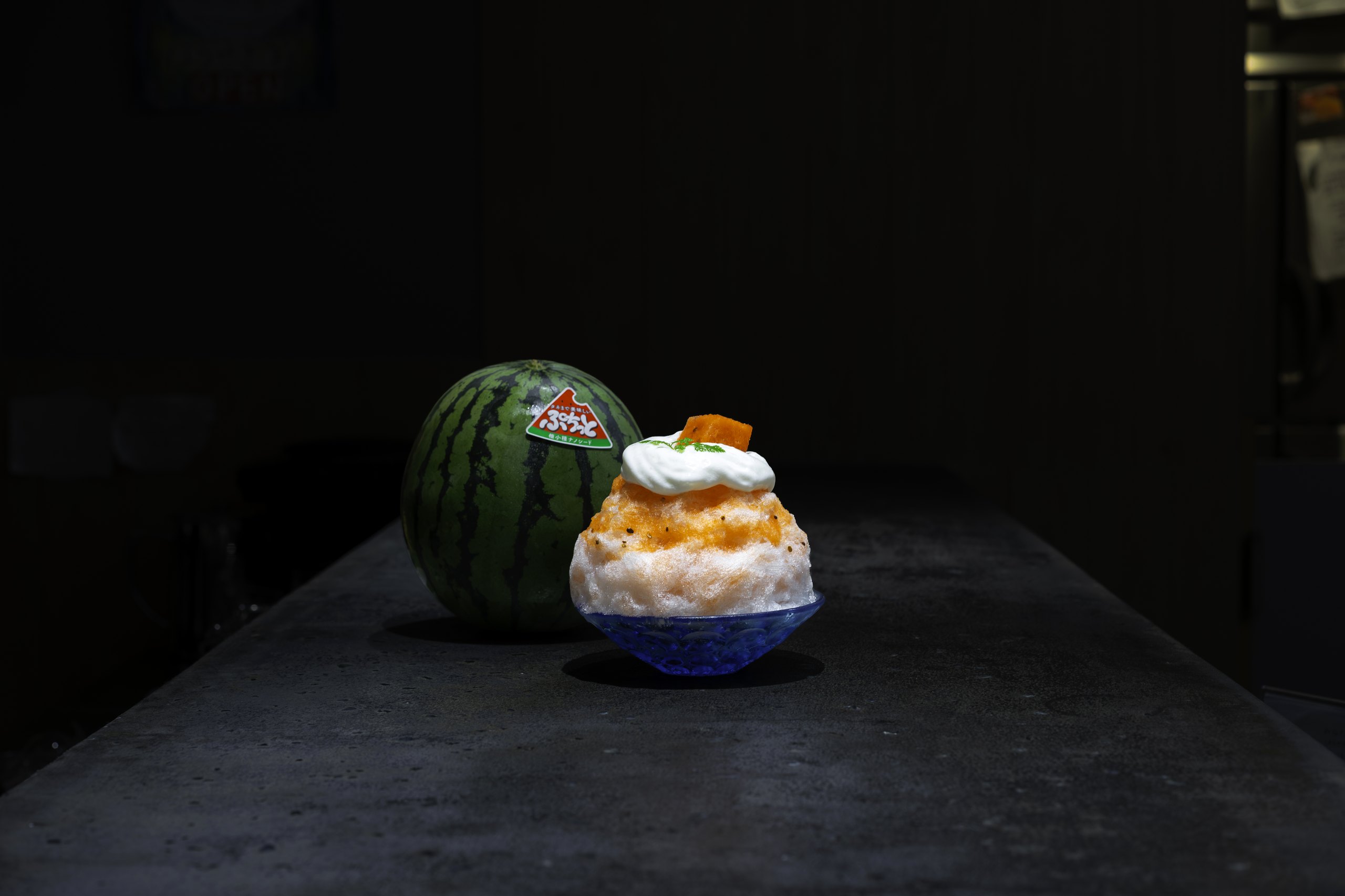
Spring strawberries, summer fruits, autumn chestnuts, and warming winter bowls — the menu changes with the seasons. Find the latest on Instagram.
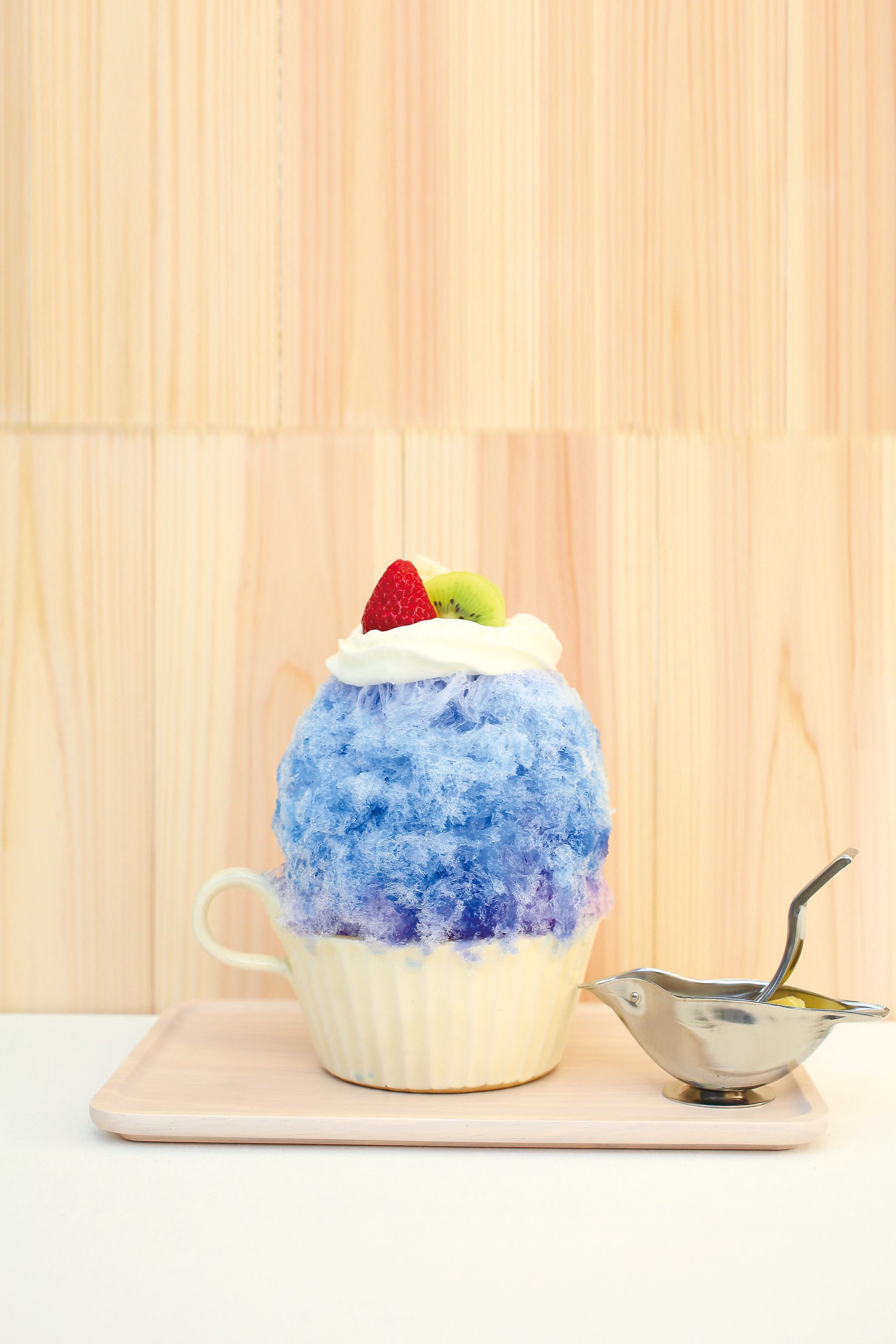
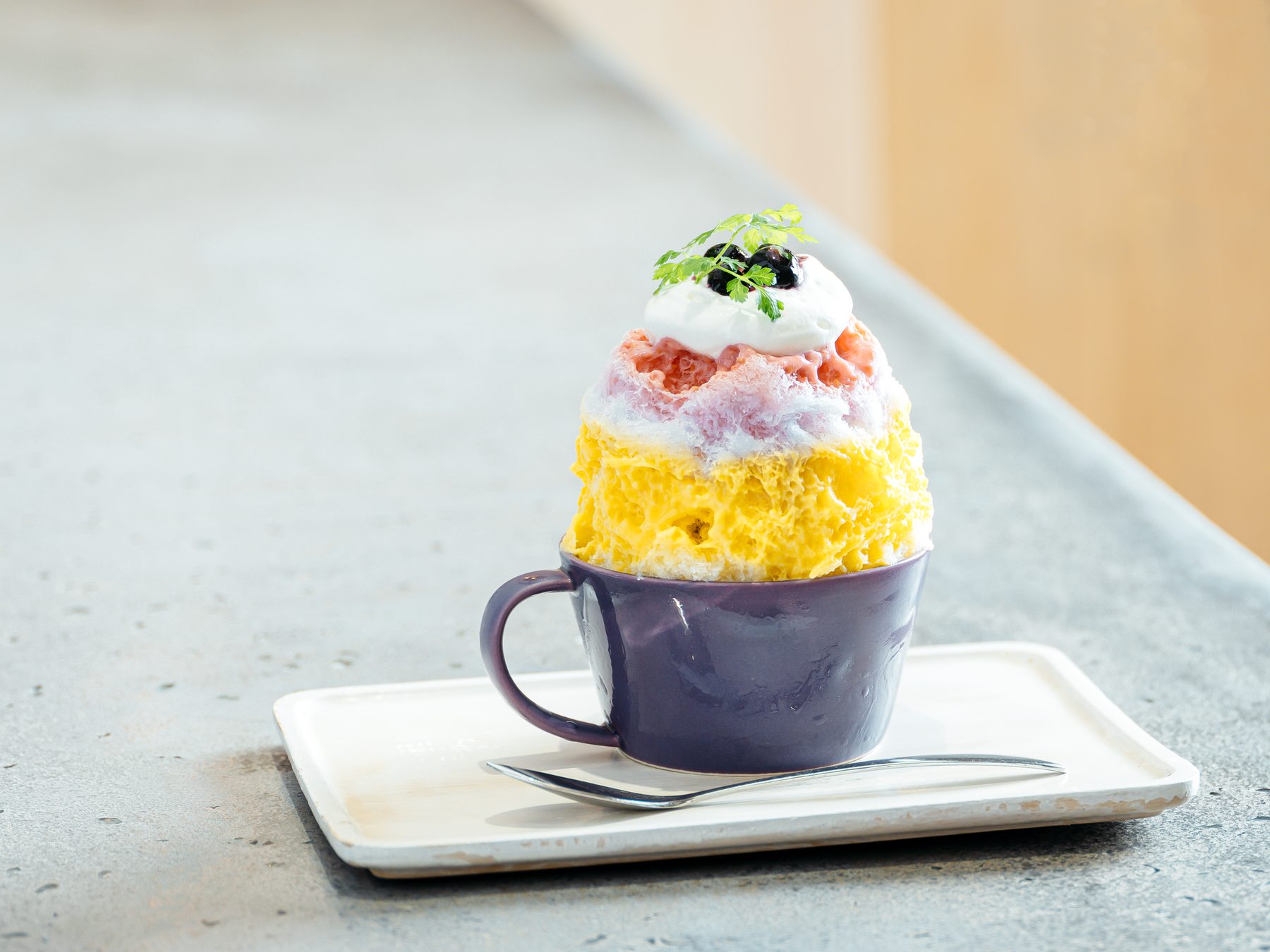
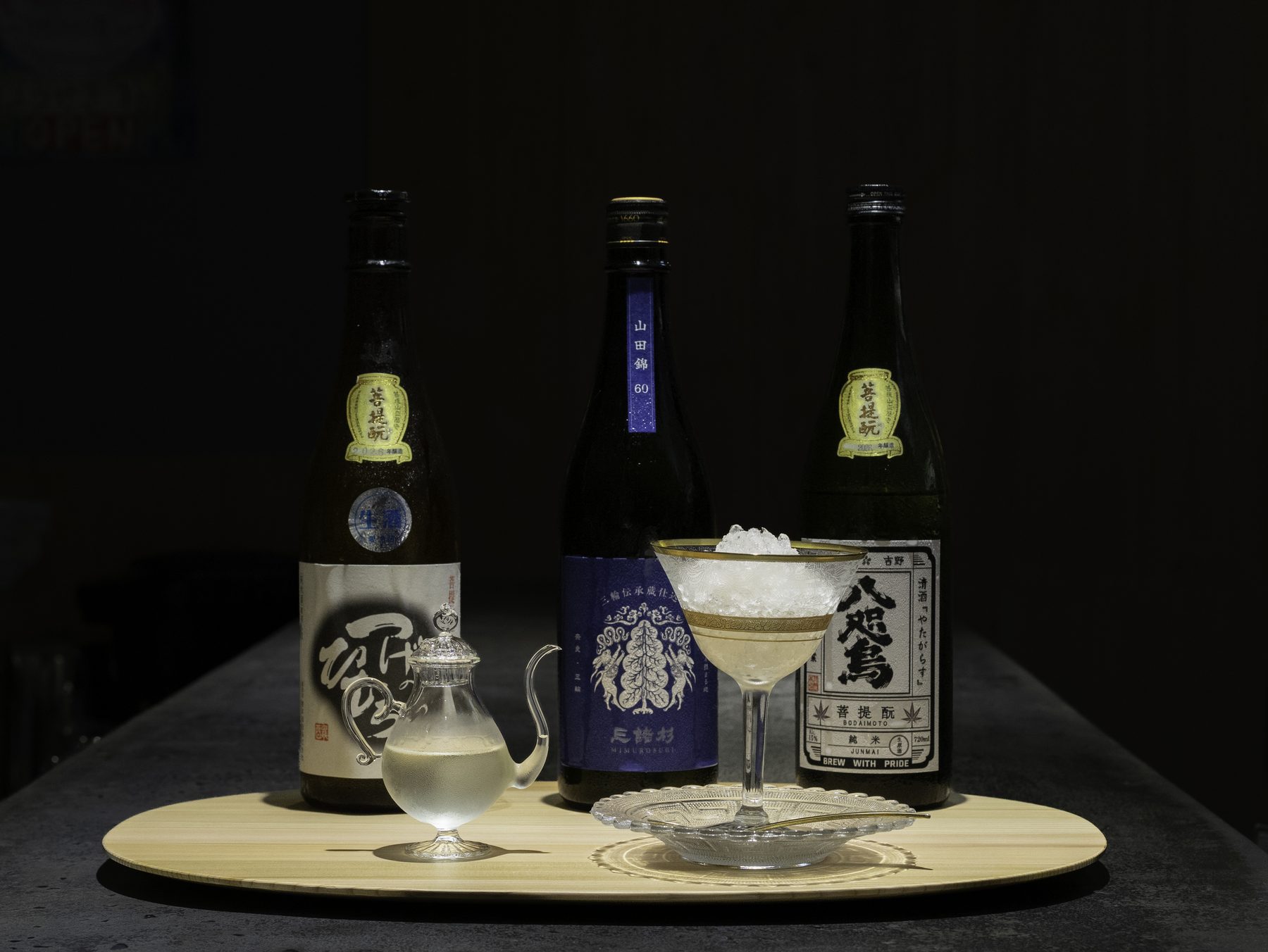
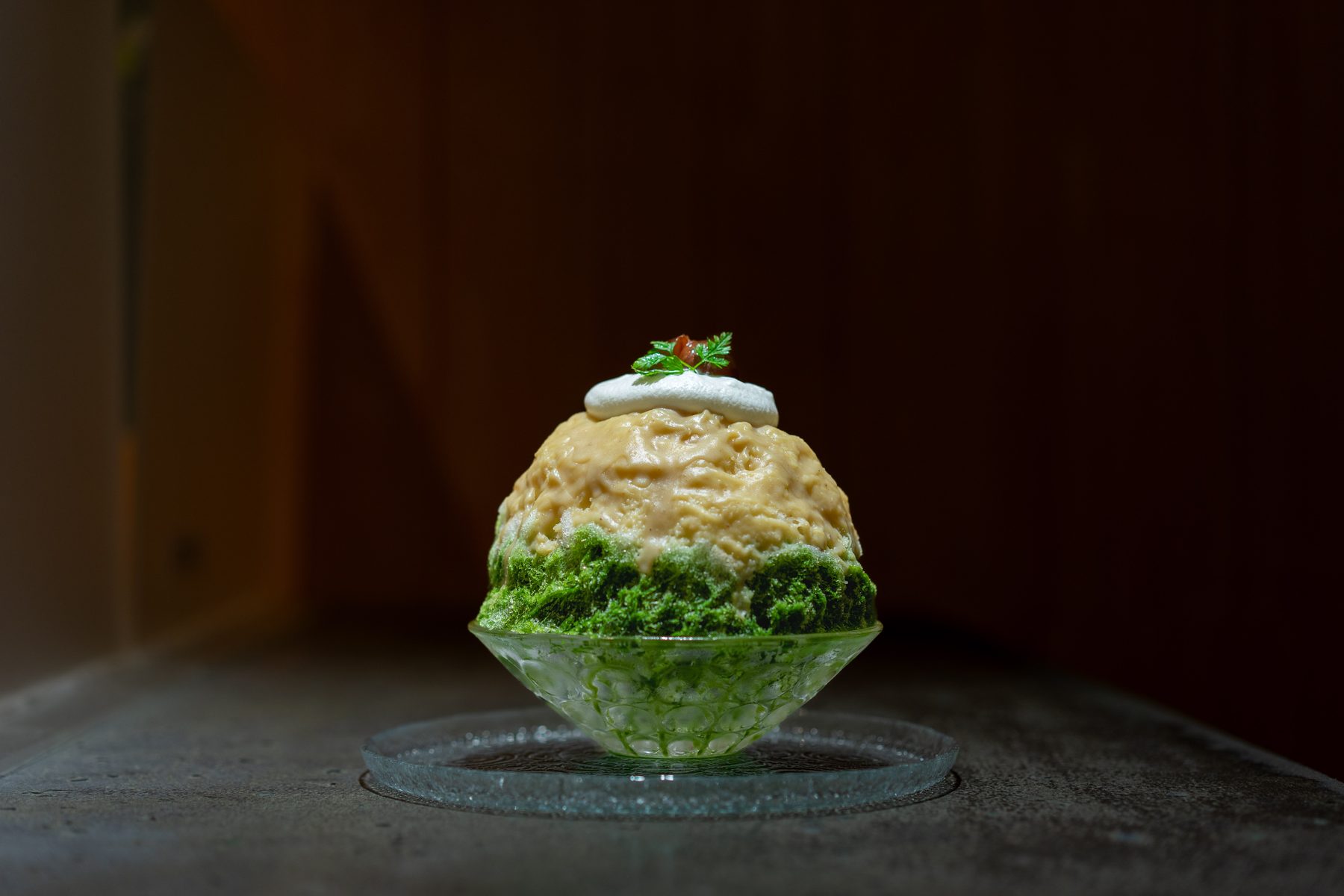
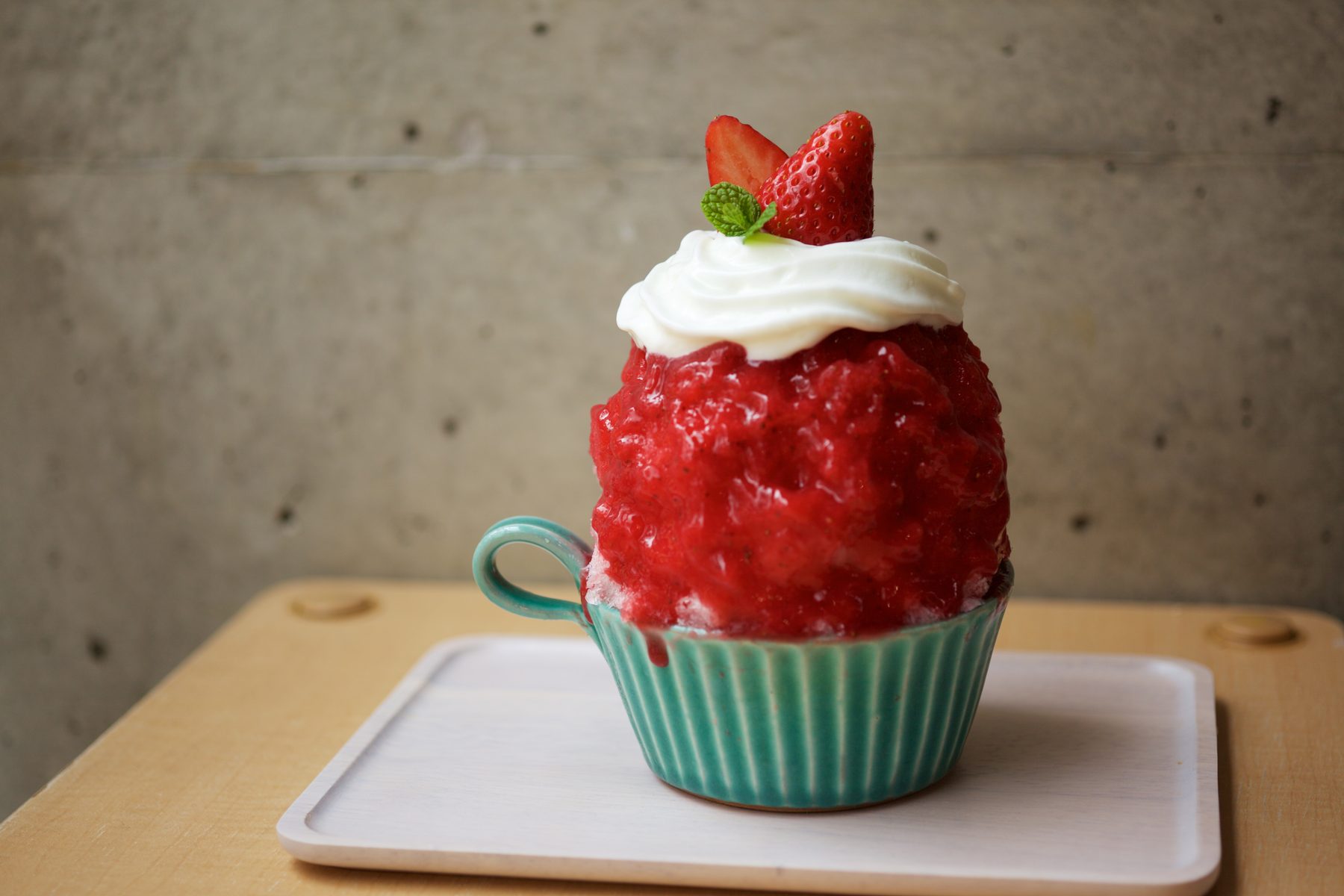
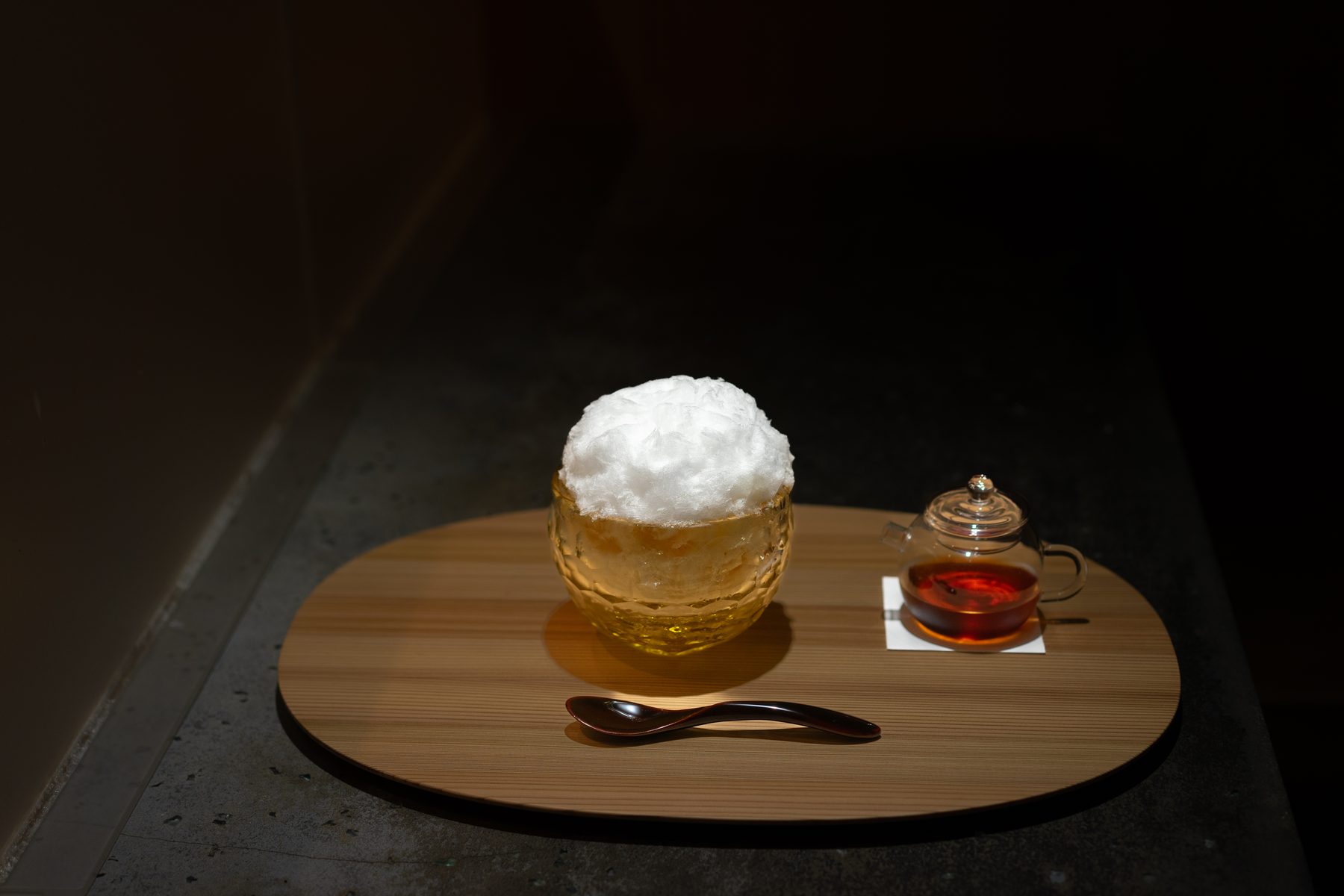
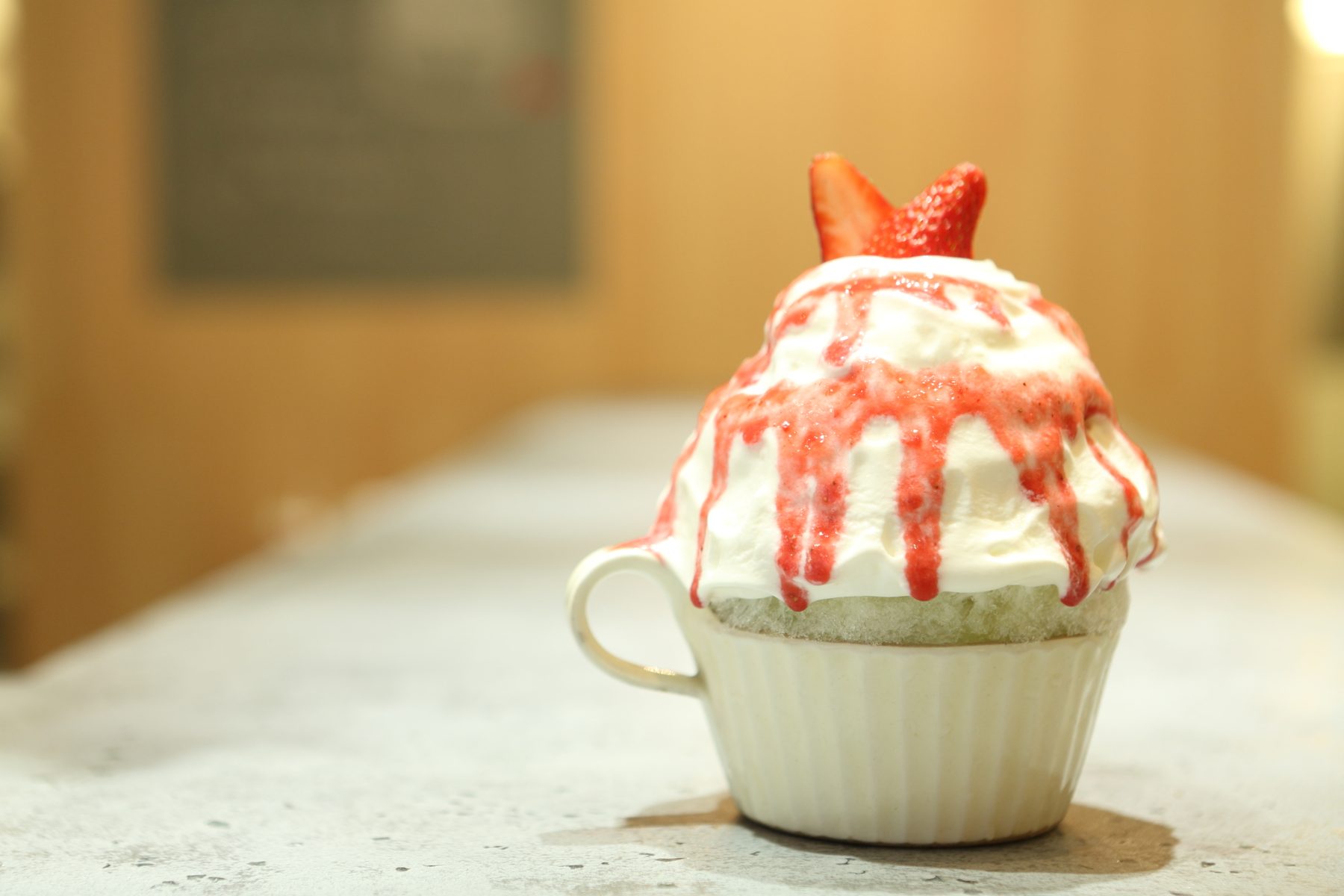
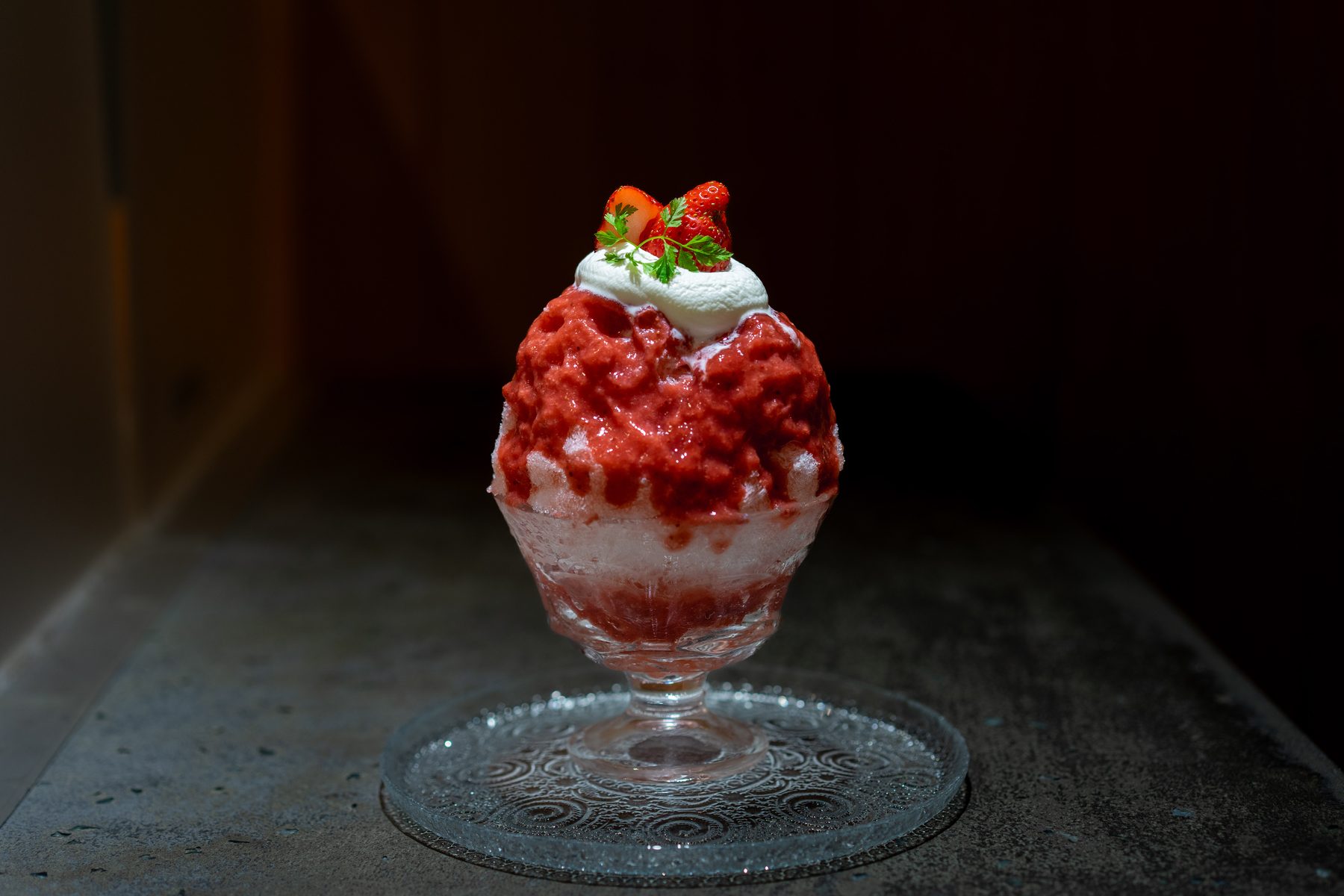
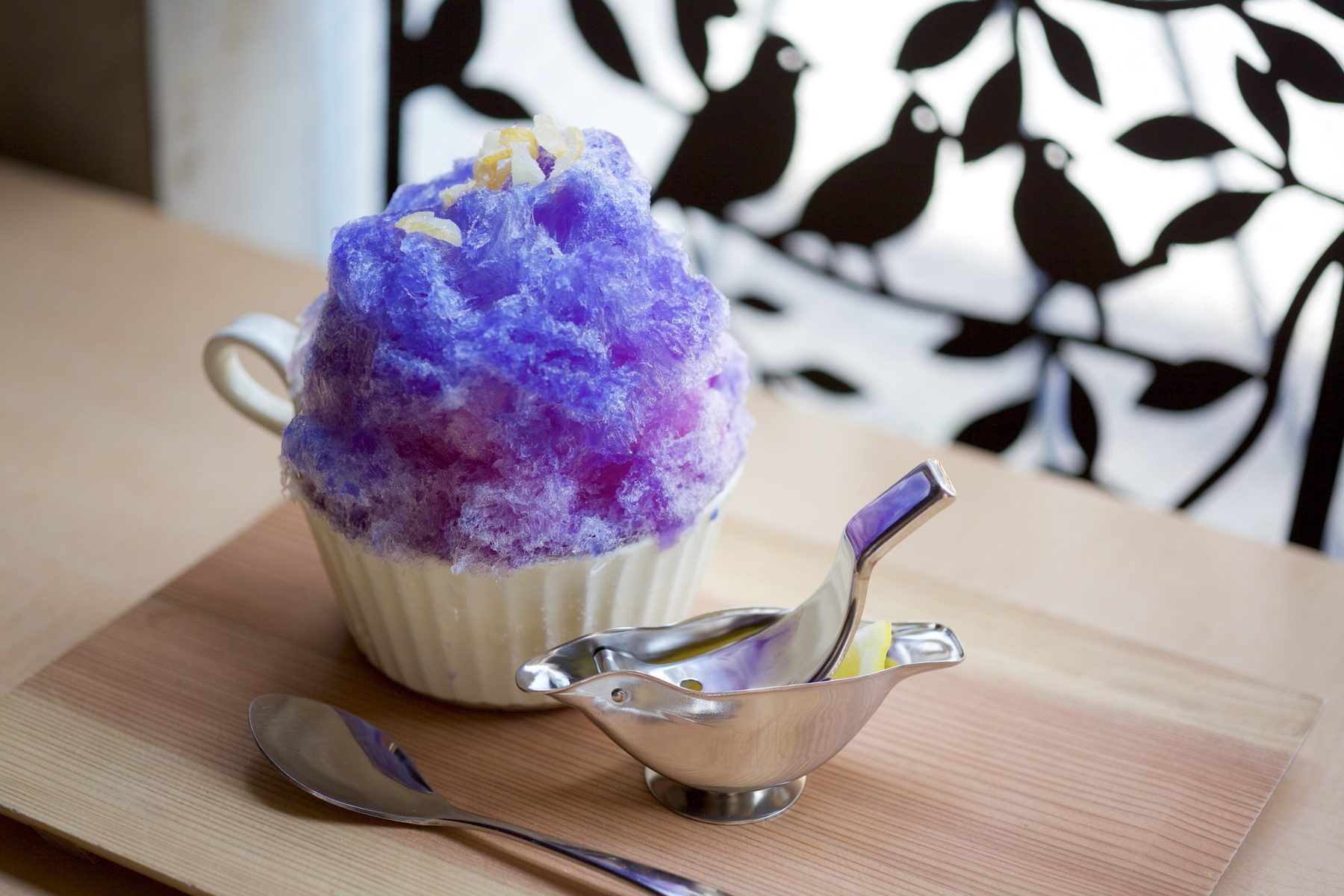
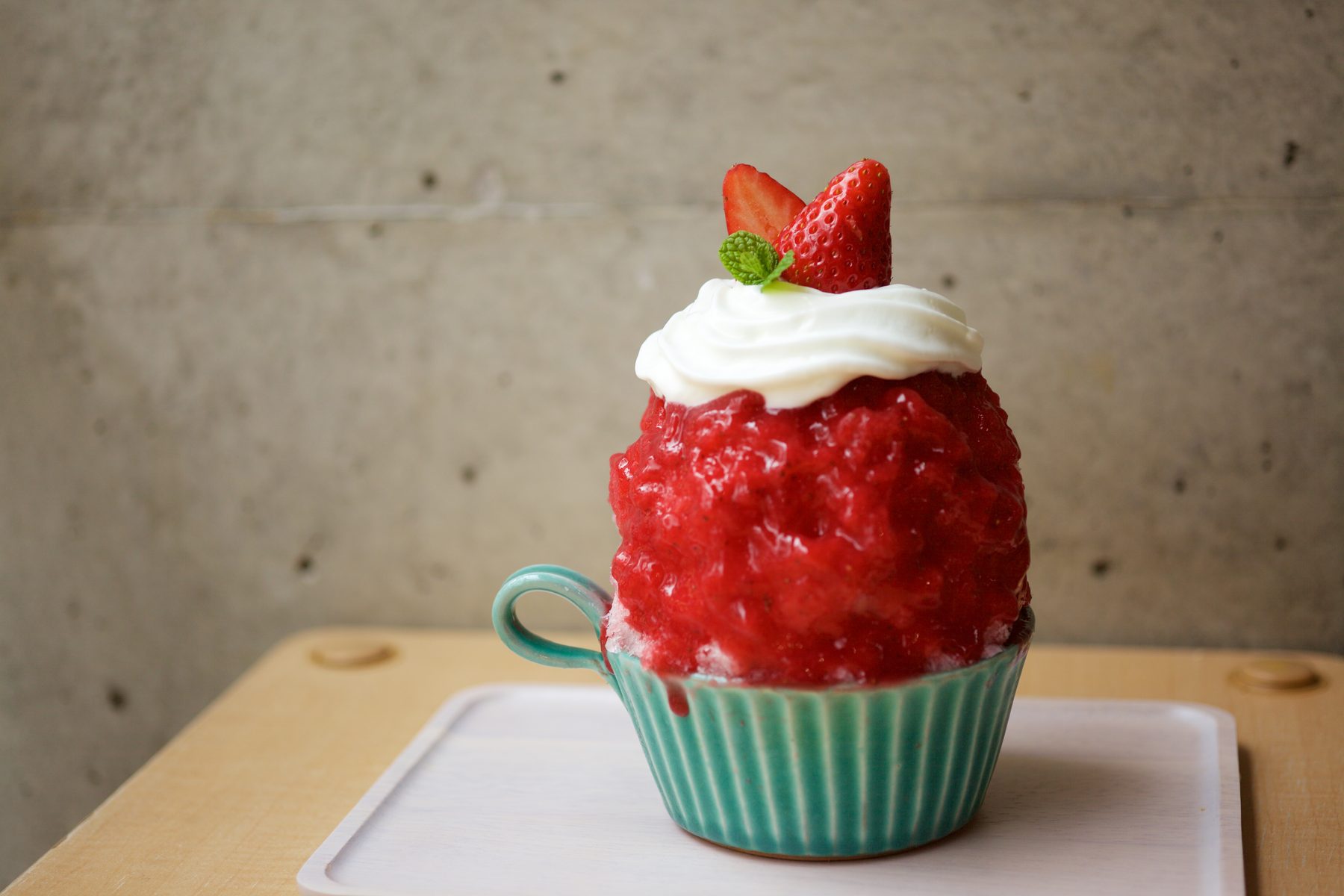
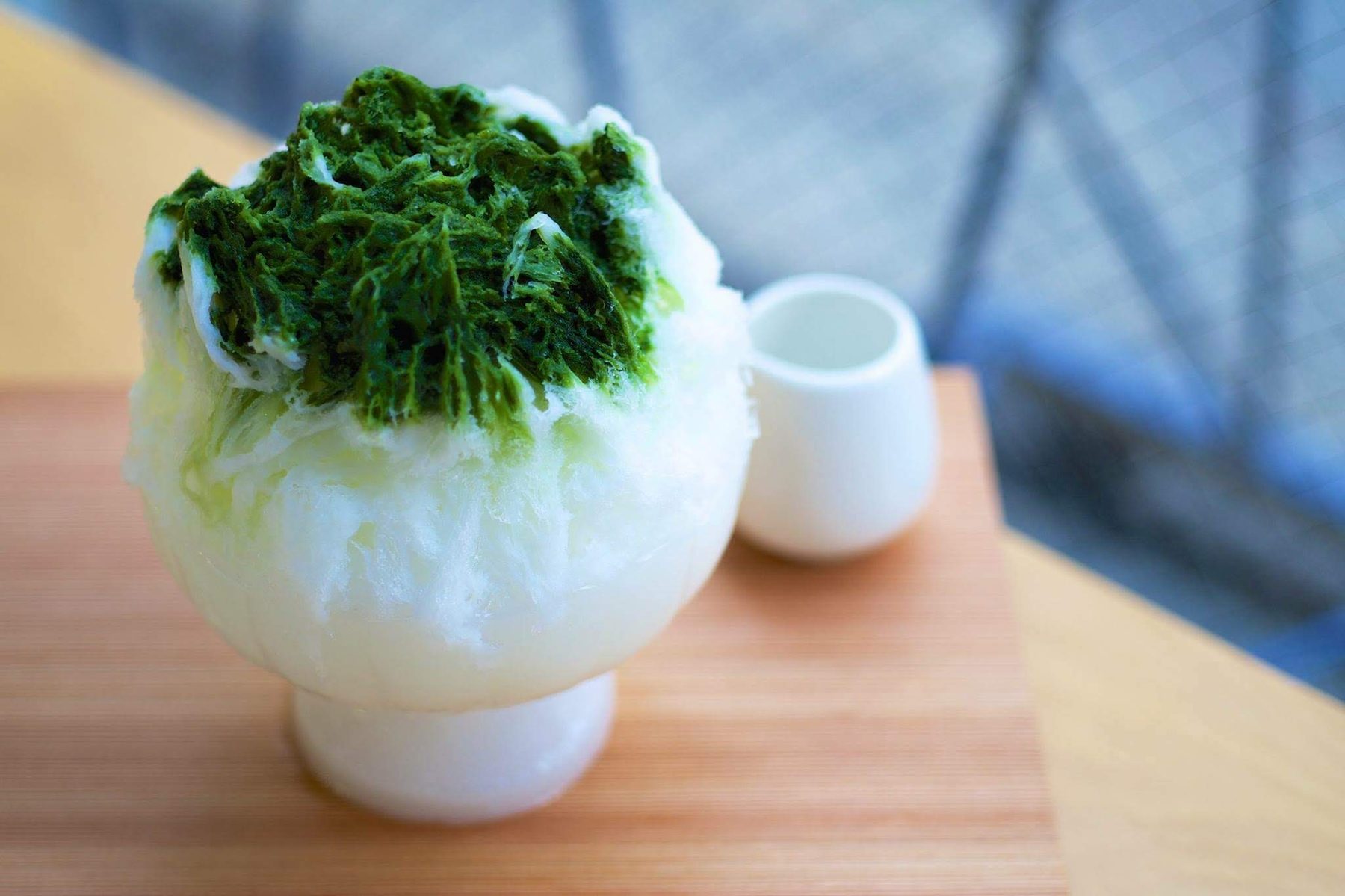
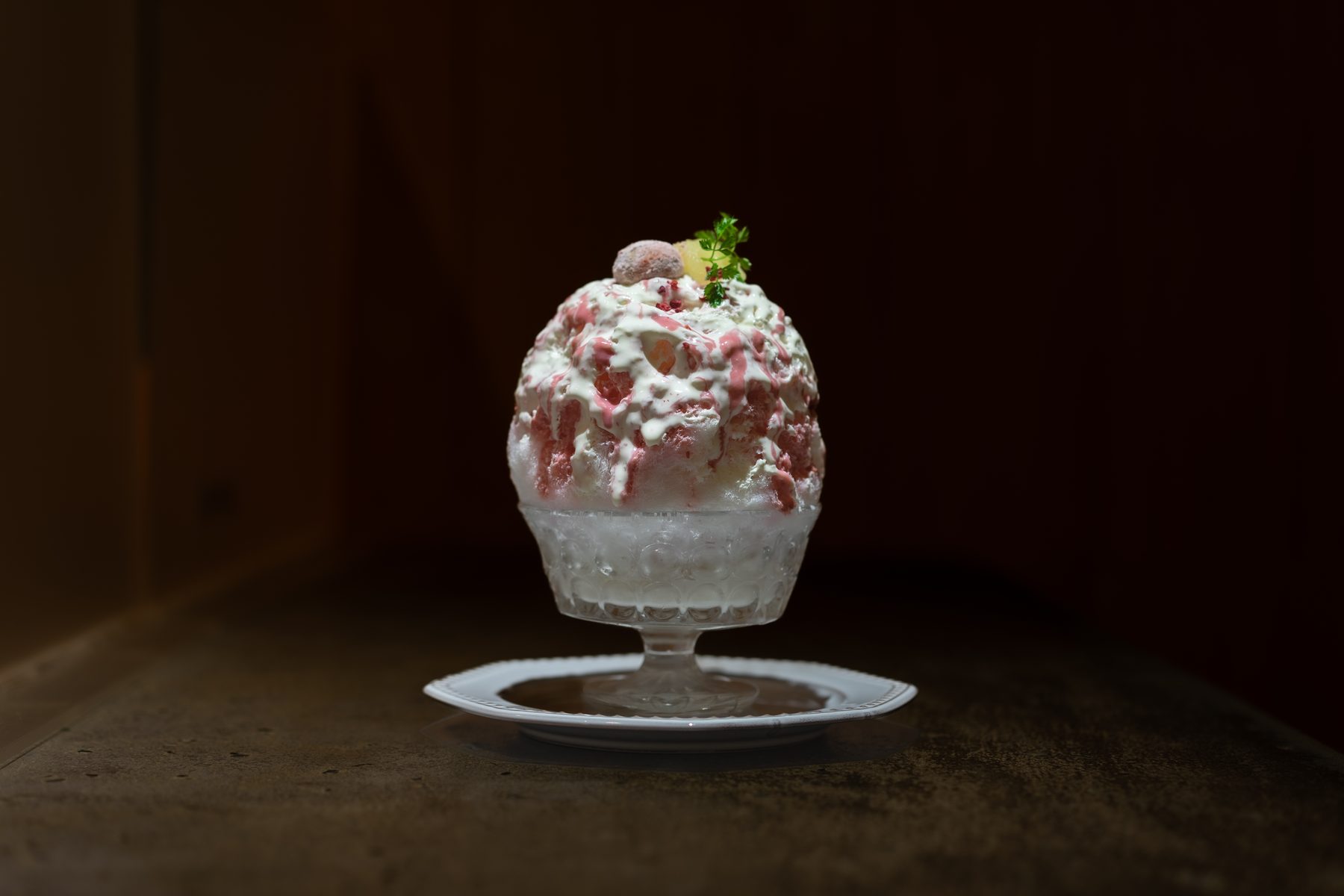
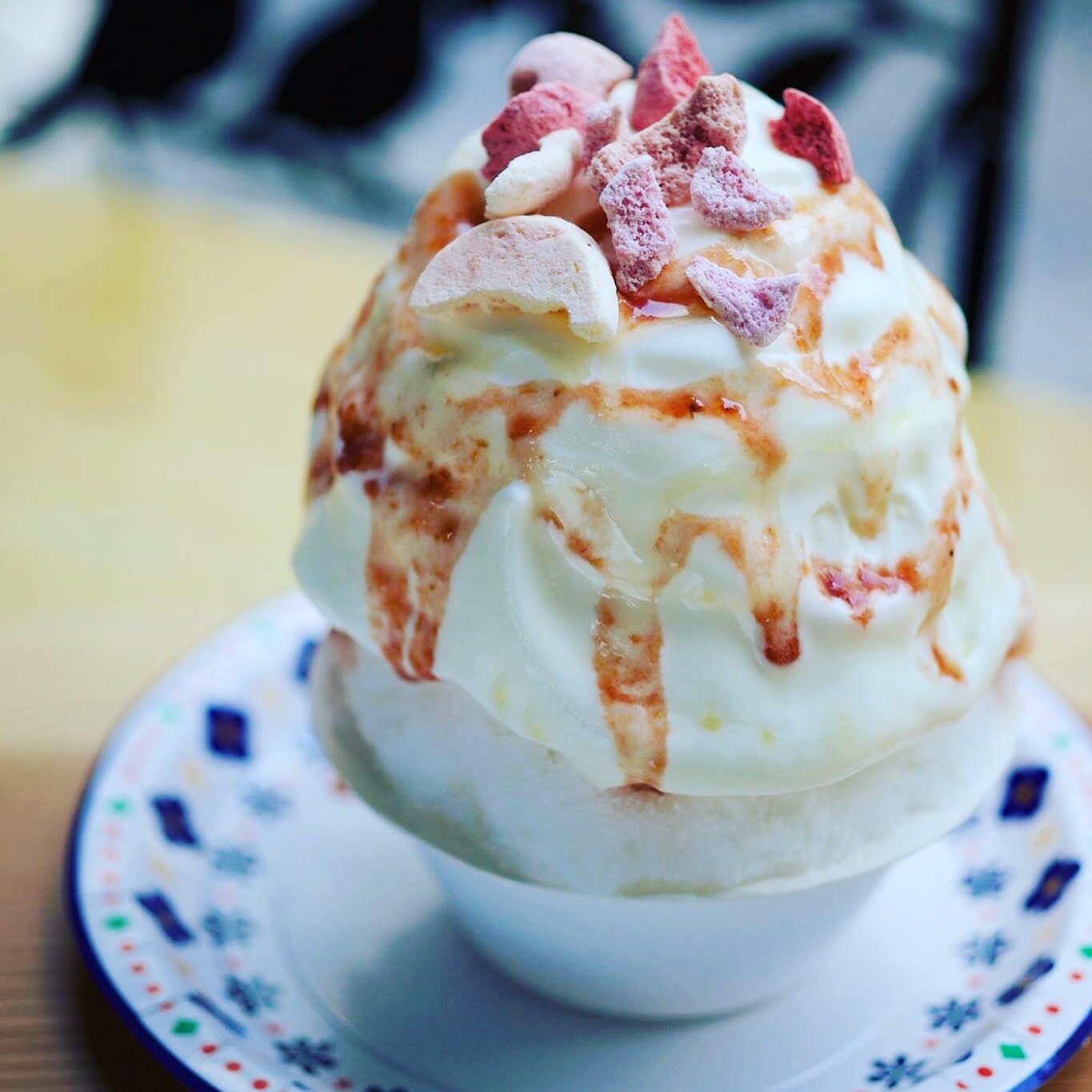
Photos include past menu items. Offerings and prices change with the seasons.
HISTORY
Housekibaco opens. A small 13-seat counter shop on Mochiidono shopping street, Nara.
Persimmon-leaf business begins. Managing a 0.7-hectare persimmon-leaf orchard for cultivation, processing, and sales.
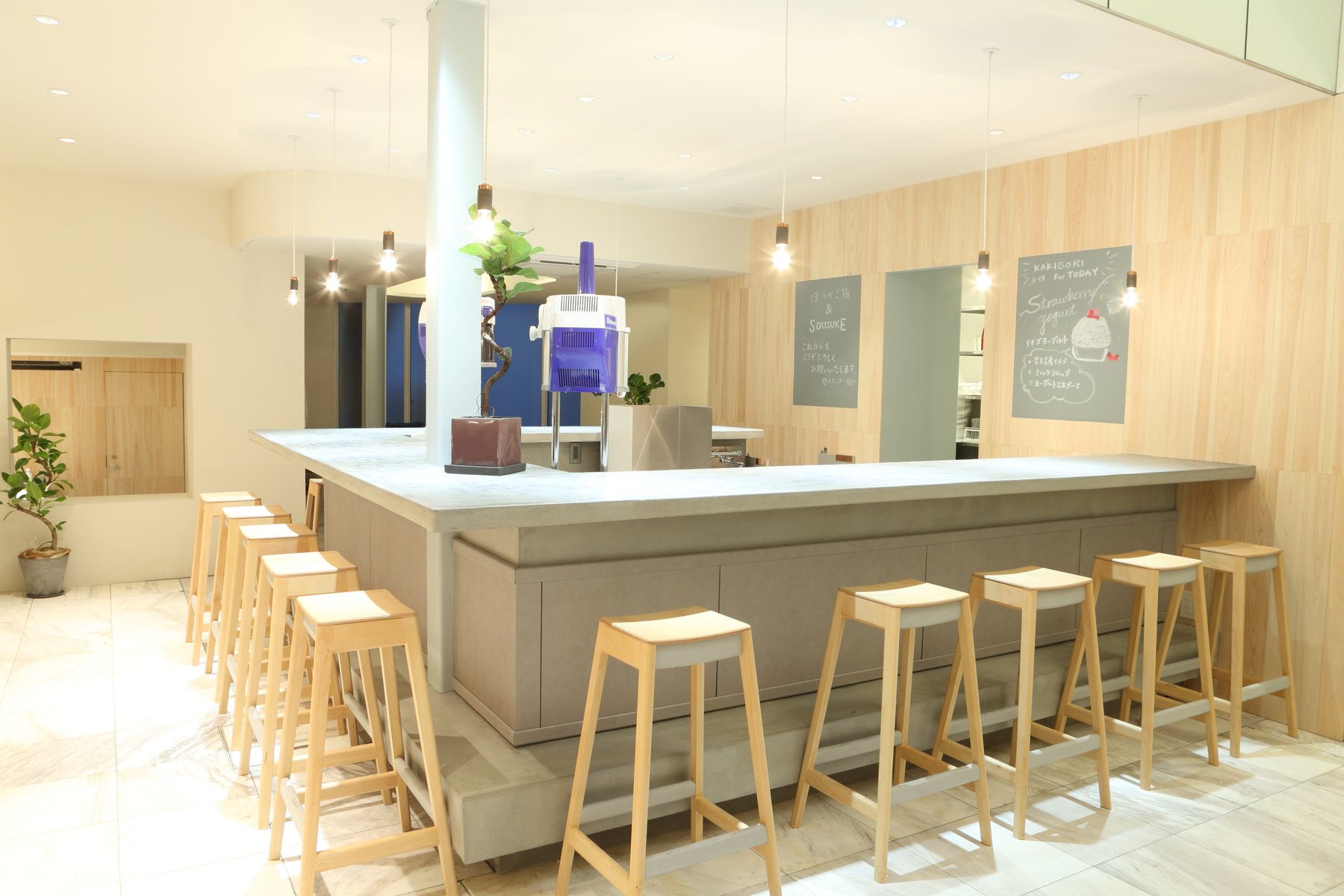
Relocation to the current shop. Reborn as "kakigori housekibaco," a larger space with 34 seats.
Sister shop "SOUSUKE" opens. A persimmon-leaf tea specialty shop inside Nara Park Bus Terminal.
"CAFE75" at the ONITSUKA TIGER Ginza pop-up store. A collaboration serving kakigori through January 2024.
Kakigori workshops in Berlin and Munich. In Munich, a kakigori collaboration at the 3-Michelin-star restaurant "Tohru in der Schreiberei." Introducing kakigori to German restaurateurs and media.
On stage at "ALL NARA FESTIVAL," Expo 2025 Osaka. Also provided kakigori techniques to a popular café in Saudi Arabia.
Served at the "PRADA mode osaka" VIP reception. Also held the "Nara ~kakigori~" collaboration event with MUJI Kashihara.
Opening planned near Los Angeles, USA. Bringing kakigori to the world at ROUND ONE USA's Japanese food hall.
SHOP INFO
| Shop | kakigori housekibaco |
|---|---|
| Address | 47 Mochiidono-cho, Nara City, Nara 630-8222 About 8 min on foot from Kintetsu-Nara Station, inside Mochiidono shopping street Open in Google Maps ↗ |
| Hours | 10:00–12:50 / 14:00–17:00 (until 17:30 on Sat & Sun) Last order 10 min before each slot. |
| Closed | Thursdays |
| Reservations | Online reservations open at 21:00 the day before Please reserve one seat per person using a chair, including children. |
| Parking | None — please use nearby coin parking. |
| Contact | housekibaco0321@gmail.com |
LINKS
SISTER SHOP
Persimmon-leaf tea from naturally grown leaves, roasted over a wood fire — and kakigori starring that very tea. Located inside Nara Park Bus Terminal.